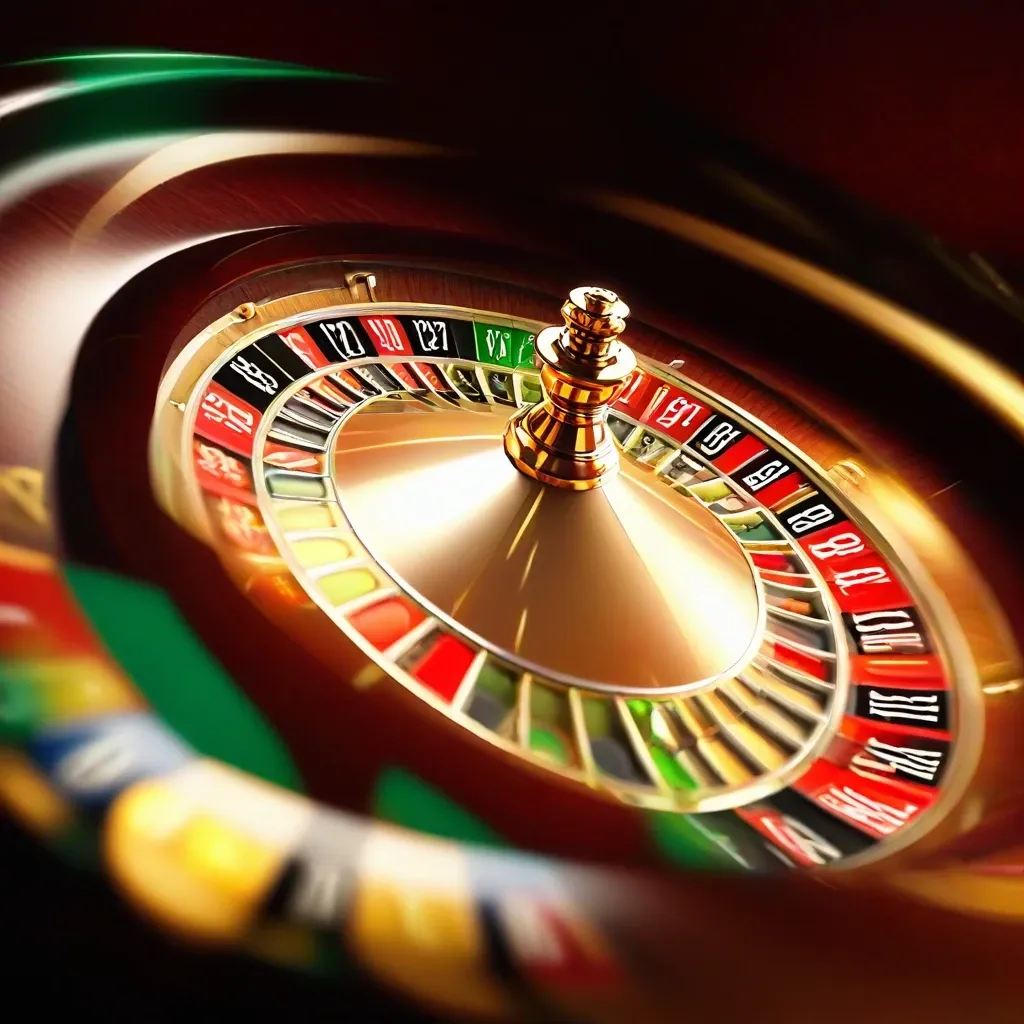
Ever felt that electric jolt of excitement as the roulette wheel spins, or the anticipation as cards are dealt? Gambling, in all its forms, holds a certain allure, a dance with chance that promises potential rewards. It’s easy to get swept up in the moment, chasing wins and forgetting that, at its core, gambling revolves around both probability and a bit of personal ‘Luck’ that we all possess and how it shapes our own decisions.
However, the thrill can quickly turn into a tumble if not approached with caution. The line between harmless entertainment and problematic behavior can be thin, and the consequences can be significant. That’s why understanding the risks and practicing responsible gambling is absolutely essential.
This isn’t about raining on anyone’s parade. Instead, consider it as a guide to navigating the world of casino games and betting with your eyes wide open. This guide provides insights into how these games work, how to manage your spending, and how to recognize when it’s time to step away. It’s all about enjoying the experience without letting it take control of your life.
Understanding the House Edge and Odds
The house edge is a fundamental concept in casino gaming that represents the casino’s average profit from a game. It’s the built-in advantage the casino has over players, expressed as a percentage of each bet. This edge ensures that, over the long run, the casino will generate revenue. Understanding the house edge is crucial for players because it directly impacts their odds of winning. Games with a lower house edge offer players a better chance of success.
Consider roulette, for example. In European roulette, with a single zero, the house edge is approximately 2.7%. This means that, on average, the casino expects to retain 2.7% of every wager placed. In American roulette, which features both a single zero and a double zero, the house edge jumps to around 5.26%, significantly reducing a player’s odds. Blackjack, when played with optimal strategy, can have a house edge of less than 1%, making it one of the most favorable games for players. Slots, on the other hand, typically have a higher house edge, often ranging from 2% to 10% or even higher.
Return to Player (RTP) is another important metric, representing the percentage of wagered money that a slot machine or casino game is expected to pay back to players over time. For instance, some popular online slots boast an RTP of around 96%, meaning that, theoretically, for every $100 wagered, the game will return $96 to players in the long run. Keep in mind RTP is theoretical! Online slot RTP can quickly change from one player to another.
Calculating Probabilities: A Simple Guide
Probability is simply the likelihood of a specific event occurring. Calculating probabilities helps in understanding the element of chance involved in games. A classic example is flipping a coin. The probability of landing on heads is 50%, and the probability of landing on tails is also 50%. Each flip is an independent event; the outcome of one flip doesn’t influence the next.
Similarly, when rolling a standard six-sided die, the probability of rolling any specific number is 1/6. These basic probabilities illustrate how randomness works. While short-term outcomes can vary significantly, over a large number of trials, the results will tend to align with the predicted probabilities. This is the beauty of statistics!
Personally, I tend to favor games where I can estimate the probability of success over a number of attempts. If I’m choosing between slot machines when comparing RTP %, I also consider volatility index. Higher volatility rate slots have higher jackpot rate (but hard!) and low volatility guarantees a win, but too low. All this knowledge is a superpower that helps me to reduce my risk levels.
Debunking Common Gambling Myths
Gambling is riddled with myths and misconceptions that can significantly cloud judgment and lead to poor decision-making. One of the most pervasive is the gambler’s fallacy, the mistaken belief that if something happens more frequently than normal during a given period, it will happen less frequently in the future, and vice versa. For example, believing that after a series of losses, a win is “due” is a classic manifestation of this fallacy. However, each spin or hand is an independent event, governed by a complex random number generator (RNG) ensuring unpredictable outcomes. Past results have absolutely no bearing on future probabilities. This is a hard fact to accept when emotions are high, but understanding this principle is crucial for responsible gambling.
Another common myth revolves around the idea of “lucky streaks.” While experiencing a series of wins can feel exhilarating, attributing it to luck alone is dangerous. Often, such streaks are simply statistical anomalies within the realm of probability. The belief that luck is on your side can lead to overconfidence and increased risk-taking, ultimately eroding any gains made. In my experience, I’ve seen countless individuals fall prey to this trap, chasing losses or betting more aggressively during perceived “hot” streaks, only to find themselves in a worse position than when they started. To avoid these pitfalls, I’ve always adhered to a strict, pre-defined budget and betting strategy, regardless of short-term outcomes. This process helps keep emotions in check and decisions grounded in logic rather than wishful thinking.
The Illusion of Control
A powerful driver behind many gambling myths is the illusion of control – the tendency to overestimate one’s ability to influence events, especially when those events are determined by chance. This cognitive bias explains why people often engage in superstitious behaviors and rituals while gambling. Carrying lucky charms, wearing specific clothing, or employing particular betting patterns are all attempts to exert control over an inherently random process.
The psychology behind this is understandable. Faced with uncertainty, humans naturally seek ways to feel more in command. These actions, however, offer no real advantage and can reinforce irrational beliefs, making it harder to accept losses. Understanding the illusion of control provides a crucial point of empathy for problem gamblers, and a tool for all gamblers to recognize and avoid the mental traps that the industry puts in front of them.

Strategies for Responsible Gambling
Engaging in gambling activities should always be approached with caution and a clear understanding of the potential risks. Responsible gambling is not just about limiting losses; it’s about ensuring that gambling remains a form of entertainment and doesn’t negatively impact your life. A crucial first step is establishing a dedicated gambling budget. This involves allocating a specific amount of money you’re comfortable losing, treating it as entertainment expense. The next step is meticulously tracking your spending to avoid exceeding this predetermined limit. This can be done using a simple spreadsheet, a budgeting app, or even a notebook.
Setting strict time limits is equally important. The longer you gamble, the more likely you are to make reckless decisions. Taking regular breaks can help you clear your head and maintain perspective. Avoid chasing losses at all costs. The urge to recoup lost money can lead to a dangerous spiral of increasing bets and greater losses. Recognize that losses are a part of gambling and that trying to win back lost money often results in even bigger setbacks. For individuals struggling to control their gambling habits, self-exclusion programs offer a valuable resource. These programs allow you to ban yourself from casinos or online gambling sites, providing a barrier against temptation.
Recognizing the Signs of Problem Gambling
Problem gambling, also known as gambling addiction or compulsive gambling, can manifest in various ways. Some key signs include a preoccupation with gambling, an increasing need to gamble with larger amounts of money to achieve the same level of excitement, and repeated unsuccessful efforts to control or stop gambling. Individuals struggling with problem gambling may also lie to family and friends about their gambling activities, neglect responsibilities at work or home, and experience financial difficulties as a result of their gambling habits.
If you recognize these signs in yourself or someone you know, understand that help is available. Gambling addiction is a serious issue, but it is treatable. Seeking professional help from a therapist or counselor specializing in addiction can provide valuable support and guidance. There are numerous resources available. Remember, overcoming problem gambling is possible, and seeking help is a sign of strength.
The Psychology of Luck and Gambling
Gambling’s allure isn’t solely rooted in the potential for financial gain; it’s deeply intertwined with our emotions and how we process information. The rush of excitement, the hopeful anticipation of a win, and even the sting of loss – all contribute to a potent emotional cocktail that can cloud judgment. This is where gambling psychology comes into play, revealing the cognitive biases and emotional influences that shape our behavior at the casino, racetrack, or even when buying a lottery ticket.
Cognitive biases, those mental shortcuts our brains use to simplify decision-making, often lead us astray. Loss aversion, for instance, makes the pain of losing significantly more potent than the pleasure of winning the same amount. This can fuel a desperate desire to “win back” losses, leading to irrational bets and spiraling debts. Confirmation bias reinforces our beliefs; if we win early, we might overestimate our skill, ignoring the role of chance. I remember once feeling invincible after a few early wins, convinced I had a system, only to lose everything back, and more, chasing that initial high. That painful lesson taught me the importance of objectivity, a lesson applicable far beyond the gambling table.
Managing Emotions in the Moment
Emotional regulation is a vital skill, yet it’s often the first thing to disappear when the stakes are high. The key is to recognize when emotions are hijacking your rational thinking. Practical techniques can make all the difference. Deep breathing exercises can help calm the nervous system and regain composure. Taking short breaks to step away from the situation provides a chance to clear your head and re-evaluate. Reframing negative thoughts – challenging pessimistic beliefs and focusing on realistic probabilities – can prevent impulsive decisions driven by fear or desperation.
In my own life, whether negotiating a business deal or facing a personal challenge, I’ve found that mindfulness and stress management techniques are invaluable. Recognizing the physical sensations of stress – a racing heart, tight muscles – allows me to pause, breathe, and approach the situation with greater clarity. This awareness helps to avoid making rash choices that I might later regret, fostering resilience and emotional control in all aspects of life.

Beyond the Casino: Finding Luck in Everyday Life
We often associate luck with winning the lottery or hitting a jackpot, but true luck extends far beyond the flashing lights of a casino. It’s about recognizing and seizing opportunities, and more often than not, it smiles upon those who are prepared. Think of it this way: skill creates the foundation, and luck is the wind that fills your sails. A musician who practices relentlessly might seem “lucky” when they land a record deal, but years of dedication preceded that moment. A well-prepared entrepreneur may appear lucky when their startup takes off, but countless hours of research and planning paved the way.
A positive mindset also acts as a magnet for good fortune. Approaching challenges with optimism and resilience allows people to see possibilities where others see roadblocks. This proactive approach creates a self-fulfilling prophecy of success. I remember when I started writing – my first few attempts were… rough. It felt like an uphill battle, constantly facing rejection and self-doubt. But I kept learning, practicing, and refining my skills. Then, an unexpected opportunity arose – a small blog needed a guest writer. Because I had put in the effort beforehand, I was ready to seize it, and that small break propelled me to where I am today. It wasn’t just luck; it was preparedness meeting opportunity.
Creating Your Own ‘Luck’
Creating your own “luck” is a lifelong journey of self-improvement and proactive engagement with the world. It starts with setting clear, achievable goals. What do you want to accomplish? What skills do you need to develop? Once you have a vision, start taking action. Read books, attend workshops, practice your craft, and network with others in your field. Every step you take, no matter how small, increases your chances of creating lucky encounters.
Remember, chance favors the prepared mind. To further fuel on creating your own luck, consider reading our article on “Networking for Success” or sign up to our newsletter for monthly tips and tricks on how you can achieve the impossible!
Conclusion
In conclusion, understanding luck is about more than just hoping for the best. It involves grasping the underlying probabilities, challenging common misconceptions, and actively managing potential risks. Responsible gambling starts with recognizing that the house always has an edge, and that chasing losses is a dangerous game.
The strategies discussed—from setting financial limits to cultivating a positive mindset—are designed to empower individuals to make informed decisions. By applying these principles, one can minimize the negative consequences associated with gambling and enhance their overall well-being. Remember, seeking help is a sign of strength, not weakness. If gambling is causing distress, resources are available.
While luck may seem random, one can create their own “luck” by adopting a sensible approach, a positive mindset, and a commitment to responsible gambling practices. Embrace these strategies, and one can transform their relationship with chance, turning potential pitfalls into opportunities for growth and empowerment. Consider exploring resources available such us the opportunity to assess gambling habits with our self-assessment questionnaire. Take control and play responsibly.